This guide compares ten Austin, Texas neighborhoods for people relocating to Austin or buying their first home here. For each neighborhood, it covers where it is, what daily life is like, how walkable it is, what kinds of homes you'll find, and what to check before you buy. It's written from years of helping buyers in these neighborhoods, including the tradeoffs listing descriptions usually leave out.
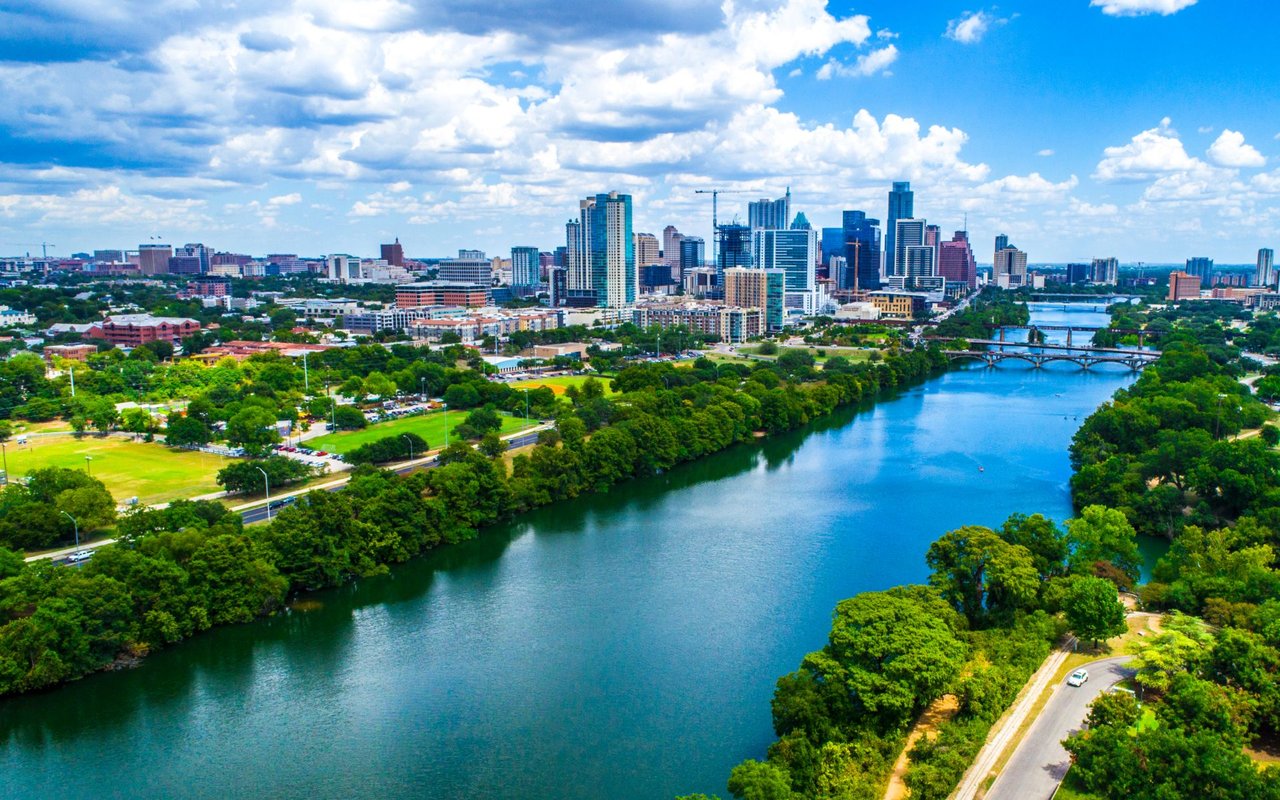
Austin is organized around Lady Bird Lake, a dammed section of the Colorado River that runs east–west through the center of the city. Downtown Austin sits on the lake's north shore. Interstate 35 runs north–south along downtown's east edge, and neighborhoods east of it are generally called East Austin. MoPac Expressway (Loop 1) is the main north–south highway on the west side. The 78704 ZIP code, directly south of the lake, is so closely tied to South Austin's identity that locals call it "the 04." Most central neighborhoods are 5 to 15 minutes from downtown outside rush hour; during rush hour, those times can double.
Neighborhood | Area / ZIP | Distance | Walkability | Best for buyers who want | Typical homes |
|---|---|---|---|---|---|
Travis Heights | South Central, 78704 | ~1–2 mi | Moderate to high near South Congress | Central location with trees and quiet streets | Historic cottages, mid-century, modern infill |
Bouldin Creek | South Central, 78704 | ~1–2 mi | High | Walking to restaurants and coffee | Cottages, bungalows, modern infill, condos |
Barton Hills | Southwest Central, 78704 | ~3 mi | Low for errands, high for trails | Barton Springs, Zilker Park, Greenbelt access | 1960s–70s ranches, remodels, new builds |
Hyde Park | North Central, 78751 | ~3–4 mi | High | Historic homes and a walkable neighborhood center | Victorian, Craftsman, bungalows |
Rosedale | North Central, 78756 | ~4–5 mi | Moderate to high; very bikeable | A calm, central, flat neighborhood | Cottages, bungalows, mid-century, infill |
East Austin | East of I-35, 78702 and nearby | ~0–4 mi | High near downtown, low farther east | Restaurants, nightlife, modern architecture | Historic bungalows, modern infill, townhomes |
Northwest Hills | Northwest, 78731 | ~7–8 mi | Low | Larger lots, views, Hill Country scenery | Mid-century ranches, custom homes |
Westgate | South, 78745 | ~6–7 mi | Low to moderate | More house for the money near central Austin | 1960s–70s ranch homes |
Oak Hill | Southwest, 78735 / 78736 / 78749 | ~10–12 mi | Low | Space, nature, Hill Country access | Older homes on large lots, newer subdivisions |
Balcones Village | Northwest, 78750 | ~12–14 mi | Low | A suburban setting near a country club | Ranch and traditional homes on larger lots |
By Hannah Edwards, Real Estate Advisor, Compass RE Texas, LLC · Texas Real Estate License #764789 · Last updated September 2026
Barton Hills is a hilly, wooded neighborhood in Southwest Central Austin (78704), bordering Zilker Park and the Barton Creek Greenbelt, about three miles from downtown. It's best known for its access to Barton Springs Pool and miles of hiking trails. Barton Hills is quiet and mostly residential, so residents drive for most errands.
Quick facts: ZIP 78704 · ~3 miles to downtown · Walkability: low for errands, high for trails and parks
Barton Hills feels more like a wooded hillside than a city neighborhood. Streets follow the terrain, many homes sit on larger sloped lots under heavy tree cover, and there's almost no commercial activity inside the neighborhood. That quiet, combined with being about ten minutes from downtown, is the main reason buyers choose it.
Barton Hills isn't walkable for errands, but it's excellent for outdoor recreation. Restaurants and shopping on South Lamar Boulevard usually mean driving or biking. Depending on the address, though, residents can walk to Barton Springs Pool, Zilker Park, and Barton Creek Greenbelt trailheads.
Barton Springs Pool is a spring-fed natural pool that stays around 68°F year-round and is one of Austin's most beloved landmarks. Zilker Metropolitan Park, Zilker Botanical Garden, and Umlauf Sculpture Garden are next door. The Barton Creek Greenbelt offers miles of hiking and mountain biking trails, plus swimming holes after good rains.
Barton Hills is mostly 1960s and 1970s ranch homes, many of them extensively remodeled, along with contemporary additions and luxury new construction. Topography and lot shape have a big effect on value and on what can be built.
Zilker Park hosts the Austin City Limits Music Festival for two weekends each fall, which brings heavy traffic and road closures to Barton Hills. Popular Greenbelt access points draw parked cars on weekends. On sloped lots, look closely at drainage, foundations, retaining walls, and how much of the lot is usable.
Barton Hills is quieter and more outdoorsy than Travis Heights or Bouldin Creek but more car-dependent. Buyers who value trail access over walking to restaurants often prefer Barton Hills.
Among the neighborhoods in this guide, Bouldin Creek, Hyde Park, and the western parts of East Austin are the most walkable for daily errands and dining. Travis Heights and Rosedale are walkable in many locations.
Barton Hills has the best access to Barton Springs Pool, Zilker Park, and the Barton Creek Greenbelt. Travis Heights has parks and creeks within the neighborhood. Northwest Hills and Oak Hill offer Hill Country trails and green space.
Westgate (78745) often offers larger homes and lots for the price than 78704 neighborhoods. Oak Hill and Balcones Village also offer more space, with longer commutes.
78704 is the ZIP code directly south of downtown Austin and Lady Bird Lake. It includes Travis Heights, Bouldin Creek, Barton Hills, and Zilker. Locals call it "the 04," and it's associated with South Austin's laid-back culture, South Congress Avenue, and Barton Springs.
Hyde Park, Travis Heights, Bouldin Creek, and parts of East Austin have many historic homes. Parts of Hyde Park fall under local historic district rules that restrict exterior changes.
Search any address on the City of Austin's FloodPro map, and ask your agent and insurance provider about flood history and insurance costs. Properties near creeks, including Blunn Creek, Shoal Creek, and Williamson Creek, deserve extra attention.
The City of Austin protects trees 19 inches or larger in diameter, and heritage trees of certain species 24 inches or larger receive additional protection. This can limit remodeling, additions, and new construction on tree-heavy lots.
Several school districts serve addresses in Austin. Check the specific address using the school district's boundary lookup tool, since boundaries can change and neighborhood names don't always match district lines.
8,957 people live in Barton Hills, where the median age is 35 and the average individual income is $75,819. Data provided by the U.S. Census Bureau.
Total Population
Median Age
Population Density Population Density This is the number of people per square mile in a neighborhood.
Average individual Income
There's plenty to do around Barton Hills, including shopping, dining, nightlife, parks, and more. Data provided by Walk Score and Yelp.
Explore popular things to do in the area, including Brodie Oaks Plaza, Fysikase, and Child Development Schools.
| Name | Category | Distance | Reviews |
Ratings by
Yelp
|
|---|---|---|---|---|
| Shopping | 1.05 miles | 0 reviews | 0/5 stars | |
| Active | 0.49 miles | 0 reviews | 0/5 stars | |
| Active | 0.92 miles | 0 reviews | 0/5 stars | |
| Beauty | 0.87 miles | 0 reviews | 0/5 stars | |
|
|
||||
|
|
||||
|
|
||||
|
|
||||
|
|
||||
|
|
Barton Hills has 5,295 households, with an average household size of 2. Data provided by the U.S. Census Bureau. Here’s what the people living in Barton Hills do for work — and how long it takes them to get there. Data provided by the U.S. Census Bureau. 8,957 people call Barton Hills home. The population density is 3,850 and the largest age group is Data provided by the U.S. Census Bureau.
Total Population
Population Density Population Density This is the number of people per square mile in a neighborhood.
Median Age
Men vs Women
Population by Age Group
0-9 Years
10-17 Years
18-24 Years
25-64 Years
65-74 Years
75+ Years
Education Level
Total Households
Average Household Size
Average individual Income
Households with Children
With Children:
Without Children:
Marital Status
Blue vs White Collar Workers
Blue Collar:
White Collar: